Understanding the Basics of 라섹
As one of the leading eye correction surgeries, 라섹 (Laser-Assisted Subepithelial Keratectomy) has become a popular choice for those seeking a solution to refractive errors. This procedure is specifically designed to improve vision by reshaping the cornea using advanced laser technology. Understanding the fundamentals of 라섹 is crucial for individuals considering this option, as it provides insight into what to expect, how the procedure differs from other treatments, and the myths that often surround it.
What is 라섹?
라섹 is a type of laser eye surgery that is particularly effective for those with nearsightedness, farsightedness, or astigmatism. During the procedure, the outer layer of the cornea is carefully lifted and then the underlying corneal tissue is reshaped using an excimer laser. After the correction, the outer layer is repositioned, allowing for faster healing compared to other procedures like LASIK. This makes 라섹 an excellent choice for patients with thinner corneas or those involved in contact sports, as it reduces the risk of complications associated with flap creation.
How 라섹 Differs from Other Eye Treatments
While both LASIK and 라섹 aim to correct similar refractive errors, their approaches differ significantly. LASIK involves creating a flap in the cornea, allowing for immediate recovery and minimal discomfort. In contrast, 라섹 requires the removal of the outer layer of the cornea, which can lead to a longer healing time and temporary discomfort post-surgery. However, 라섹 may be a more suitable option for patients with specific eye conditions or those concerned about the risks associated with a corneal flap.
Common Misconceptions about 라섹
Despite its growing popularity, misconceptions about 라섹 are common. One prevalent myth is that the procedure is painful. In reality, the use of anesthetic drops during surgery minimizes discomfort. Another common misconception is that the results are not as effective as LASIK, but numerous studies indicate that vision outcomes can be equally successful with both procedures. It is essential for prospective patients to consult with a qualified specialist to discuss these myths and make an informed decision.
The Importance of Personalized Care
At SNU Eye Clinic, we believe that personalized care is key to achieving optimal results in vision correction. Our 1:1 Vision Correction approach ensures that each patient’s unique needs are understood and addressed throughout the treatment process.
1:1 Vision Correction Approach at SNU Eye Clinic
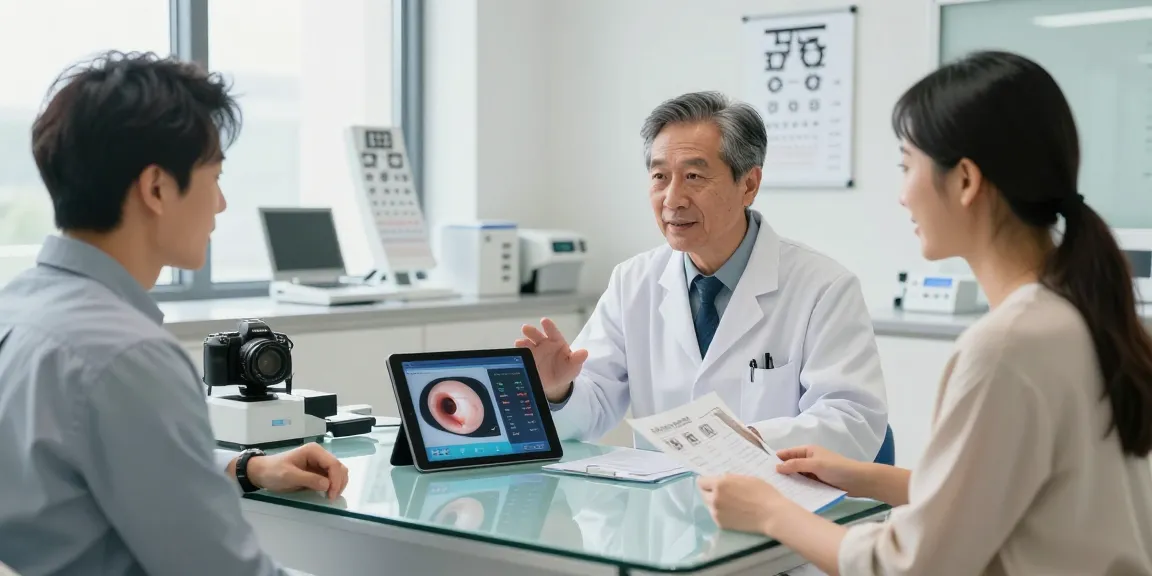
Our dedicated eye care professionals utilize a personalized framework that focuses on individual assessments. Each patient undergoes a thorough examination that informs the customized treatment plan tailored to their specific refractive error, lifestyle, and overall health. This bespoke approach helps to enhance patient safety and satisfaction.
Tailoring Treatment Plans for Individual Needs
In addition to the initial assessment, we continually adapt treatment plans as needed. This responsiveness is vital for managing any unexpected developments during the healing process, ensuring that recovery aligns with each patient’s personal progress. By listening to patient feedback and monitoring outcomes, we can provide ongoing support that enhances their experience.
Benefits of Comprehensive Testing Protocols
With over 52 detailed tests across seven categories, our clinic conducts thorough evaluations that support our commitment to personalized care. These tests help identify not only the best surgical option but also any underlying conditions that may influence the patient’s outcome. Comprehensive testing leads to better surgical precision and enhances the overall success rate of the procedure.
Key Technologies in 라섹 Procedures
The evolution of technology has significantly improved the efficacy and safety of 라섹 procedures. At SNU Eye Clinic, we pride ourselves on utilizing the latest advancements to provide state-of-the-art eye care.
Advancements in Surgical Techniques
Innovations in laser technology have transformed how we perform 라섹. The use of femtosecond lasers ensures precision in reshaping the cornea, minimizing the risk of complications and enhancing visual outcomes. These advancements allow for smoother, more predictable results, reducing recovery times for patients.
Impact of Technology on Success Rates
Studies show that the integration of advanced laser systems has contributed to significantly increased success rates in 라섹 procedures. By leveraging these cutting-edge technologies, clinics can offer higher accuracy in vision correction, resulting in a larger percentage of patients achieving 20/25 vision or better. Success rates further emphasize the importance of selecting a clinic that employs the latest technologies in eye care.
Preparing for Technology-Driven Eye Care
Patients should prepare for their 라섹 procedure by discussing all available technology options with their eye care specialist. Understanding the tools used, alongside their benefits, can help patients feel more confident and informed about their treatment choice. Ensuring that the selected clinic utilizes the most up-to-date techniques is vital for a successful outcome.
Patient Testimonials and Success Stories
Real-life experiences provide valuable insights into the effectiveness of 라섹 procedures. At SNU Eye Clinic, we take pride in the numerous success stories that our patients share.
Real-life Results from 5000+ ICL Cases
With over 5000 cases of ICL (Implantable Contact Lens) and Toric ICL successfully performed, our clinic has established a reputation for delivering exceptional vision correction solutions. Many patients report significant improvements in their quality of life post-surgery, reclaiming activities they once found difficult.
Feedback from Patients Who Chose 라섹
Patients who elect to undergo 라섹 often remark on the minimal discomfort experienced during the procedure and the swift recovery they achieved. Testimonials highlight the personalized care received from our team, emphasizing the importance of communication and support throughout their journeys towards improved vision.
Visual Evidence of Improved Vision Quality
Aside from anecdotal success stories, we also showcase visual evidence from our patients who have undergone 라섹 procedures. Before-and-after comparisons clearly illustrate the dramatic improvements in vision quality, reinforcing the effectiveness of our surgical techniques.
Future Trends in Eye Care and Surgery
As technology continues to evolve, the future of eye care holds exciting possibilities. At SNU Eye Clinic, we stay ahead of the curve by anticipating trends that will shape the industry.
Technological Innovations Expected in 2026
Future advancements may include even more refined laser capabilities, allowing for customized surgeries tailored to individual eye shapes and conditions. Predictive analytics may also be employed to forecast surgical outcomes based on a patient’s pre-operative measurements.
Emerging Practices in Eye Health Care
Telemedicine and remote consultations are expected to become increasingly commonplace within eye care, providing patients with greater access to specialists. These practices could streamline pre-operative assessments and post-operative follow-ups, ensuring comprehensive care throughout the patient’s journey.
How SNU Eye Clinic is Leading the Way
At SNU Eye Clinic, we are committed to integrating innovative practices that enhance patient care. By continuously updating our technologies and practices, we aim to set the standard in eye care and surgery, ensuring that our patients receive the best possible treatments tailored to their needs.
What should I expect during a 라섹 procedure?
During a 라섹 procedure, expect a quick process lasting about 15 minutes for each eye. After receiving anesthetic eye drops, you will be positioned under the laser machine. The surgeon will then perform the corneal reshaping, and while you may feel some pressure, it is generally a painless experience.
Are there risks associated with 라섹?
Like any surgical procedure, 라섹 comes with risks, including dry eyes, glare, and halos. However, these risks are often mitigated through thorough pre-operative assessments and patient education on post-operative care.
How can I prepare for my 라섹 consultation?
Prior to your consultation, compile a list of questions and concerns regarding the procedure. It’s also helpful to bring a list of medications you take, as this can aid the doctor in assessing your candidacy for the surgery.
What is the recovery process after 라섹?
The recovery process varies by individual but generally includes a few days of mild discomfort, which can be managed with prescribed medication. Patients are encouraged to rest and avoid strenuous activities during this time. Vision stabilizes over a few weeks, with many experiencing significant improvements within the first few days.
How to choose the right eye clinic for 라섹?
When selecting an eye clinic for 라섹, consider the clinic’s experience, technology used, and patient testimonials. A facility with a track record of successful surgeries and comprehensive pre-operative evaluations will enhance your experience and outcomes.