
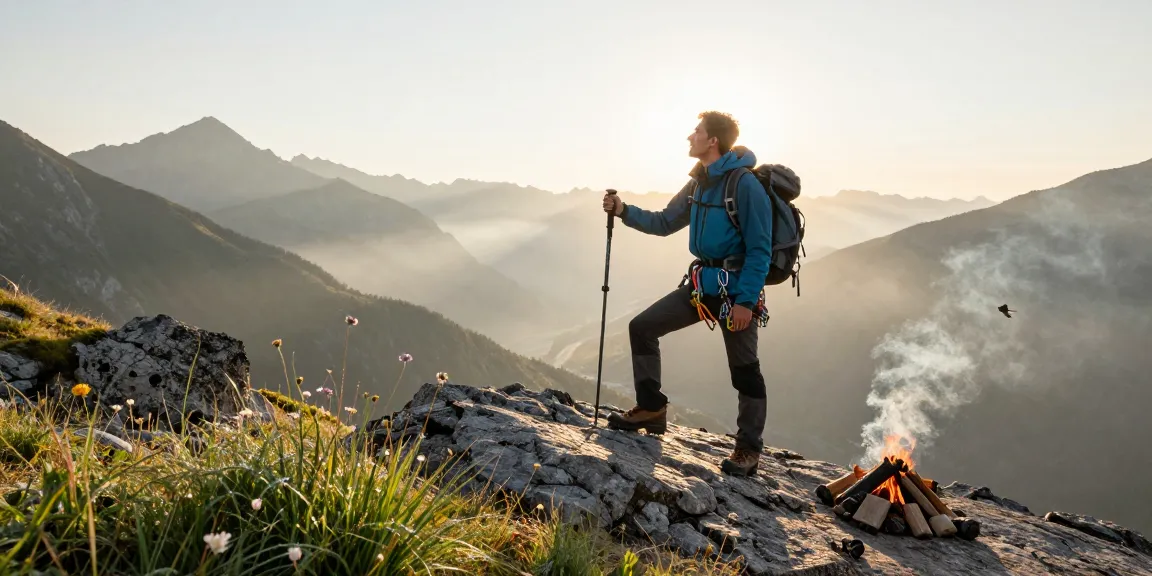
Understanding the Basics of Adventure Tourism
Adventure tourism has surged in popularity over the last decade, attracting thrill-seekers and nature enthusiasts alike. In 2026, travelers are now looking for experiences that integrate physical challenge with cultural immersion, creating a unique blend of adventure and discovery. When exploring options, dewanaga77 provides comprehensive insights into planning your next great adventure.
What is Adventure Tourism?
Adventure tourism is a niche within the larger travel industry focused on experiences that involve exploration or travel to remote and exotic areas. This includes activities that require a degree of risk and physical exertion, such as trekking, white-water rafting, and mountain climbing. The essence of adventure tourism lies in pushing personal limits and exploring the great outdoors while engaging with local cultures. In 2026, the industry is marked by a shift toward more sustainable practices and a stronger emphasis on personal well-being during travels.
Key Elements of Adventure Tourism Experiences
- Physical Activity: Most adventure tourism activities require travelers to engage in physical exertion, whether it’s hiking in the Himalayas or surfing on the Gold Coast.
- Cultural Interaction: Adventure tourism often includes opportunities to connect with local communities, learning about their customs and traditions, which enhances the overall travel experience.
- Natural Environment: A significant aspect of adventure tourism is the natural setting; travelers are often drawn to national parks, mountains, or remote areas that provide stunning landscapes.
- Challenge: Adventure travel aims to stretch one’s limits, whether it be through extreme sports or navigating unfamiliar terrains, fostering personal growth and resilience.
Popular Destinations for Adventure Tourism in 2026
As adventure tourism grows, several destinations are emerging as hotspots for thrill-seekers in 2026. Countries such as New Zealand and Chile continue to attract visitors with their diverse landscapes and adventure sports, while locations like Bhutan are gaining popularity for their focus on sustainable tourism. Here are some noteworthy destinations:
- New Zealand: Known for its breathtaking landscapes, adventurous activities like bungee jumping and skydiving are in high demand.
- Peru: The Inca Trail to Machu Picchu is an iconic trek that combines cultural heritage with the thrills of high-altitude hiking.
- Norway: Offers stunning fjord hikes and the chance to explore the Northern Lights, appealing to both adventure travelers and nature lovers.
- Japan: Beyond its rich culture, Japan’s outdoor activities, such as snowboarding in Hokkaido and hiking in the Japanese Alps, draw adventure enthusiasts globally.
Common Mistakes Adventure Travelers Make
Adventure travel can be thrilling, yet many enthusiasts fall into common traps that lead to less-than-ideal experiences. Understanding these pitfalls can significantly enhance your adventures.
Overpacking: How to Pack Smart for Adventure Travels
One of the most frequent mistakes is overpacking, which can hinder mobility and lead to discomfort. To avoid this, travelers should focus on essentials and versatile clothing that can be layered or adapted to various conditions. A smart packing list can make all the difference in ensuring a successful trip.
Ignoring Safety Gear: Essential Equipment You Must Carry
Adventure travelers often underestimate the importance of safety gear. Whether it’s the right footwear for hiking or a helmet for mountain biking, having the proper equipment is crucial. Prioritizing safety not only protects your physical well-being but also allows you to enjoy your activities with peace of mind.
Underestimating Physical Preparedness: Why Fitness Matters
Many adventurers neglect to prepare physically for their journeys. Engaging in regular fitness routines prior to travel can enhance your ability to tackle challenging hikes or strenuous activities, enhancing your overall experience.
Best Practices for Researching Destinations
Thorough research is essential for any adventure traveler. It not only helps in planning but also enriches your journey through informed choices.
Utilizing Online Resources and Communities
The internet is brimming with resources, including travel forums and social media groups tailored to adventure tourism. Engaging with these online communities can provide valuable insights, tips, and even firsthand accounts from fellow travelers.
Reading Reviews and Learning from Competitors
Before choosing a destination or activity, take time to read reviews on platforms like TripAdvisor or specialized adventure travel websites. Understanding others’ experiences can help you to avoid mistakes and enhance your trip planning.
Exploring Local Culture and Etiquette
Learning about the local culture can greatly enhance your experience. Understanding customs and etiquette not only helps you to navigate your destination with respect but also opens doors to deeper connections with locals.
Strategies for Effective Adventure Planning
Planning an adventure trip requires careful consideration and strategic approaches to ensure a rewarding experience.
Creating a Comprehensive Itinerary
A well-structured itinerary is crucial for maximizing adventure experiences. It should include not just the must-see sights but also time for spontaneous exploration and relaxation.
Budgeting for Adventure Trips Without Overspending
While adventure tourism can sometimes become costly, budgeting effectively can help you enjoy your trip without financial strain. Consider all expenses, including transportation, lodging, and activities, and look for deals or local discounts.
Building a Support Network: Finding Local Guides
Connecting with local guides can enhance your adventure, as they provide insights and knowledge that mere guidebooks cannot. Use platforms like Airbnb Experiences or local tourism boards to find reputable guides in your destination.
Future Trends in Adventure Tourism
The adventure tourism sector is evolving, driven by emerging trends that shape how travelers experience the world.
Sustainable Practices in Adventure Travel
With growing awareness of environmental issues, sustainable practices are becoming paramount in adventure tourism. Tourists are now more inclined to choose eco-friendly operators who prioritize conservation and minimal environmental impact.
Technology’s Role in Enhancing Adventure Experiences
Technology is playing an increasingly significant role by offering tools such as GPS-enabled devices for navigation and apps that provide real-time updates on weather conditions, enhancing safety and enjoyment.
Emerging Destinations to Watch in 2026 and Beyond
New adventure tourism destinations are eagerly awaiting discovery in 2026. Countries like Mongolia and Georgia offer thrilling experiences rooted in untouched landscapes and rich cultural experiences, making them worth considering for your next adventure.
What are the top adventure tourism trends in 2026?
As adventure tourism continues to evolve, the trend towards experiential travel that combines adventure with cultural immersion and sustainability is on the rise. Destinations that focus on eco-tourism and rich cultural experiences will attract a more conscious traveler base.
How can I safely prepare for an adventure trip?
Preparation is key to a successful adventure. Engage in physical training tailored to your activities, invest in the right equipment, and conduct thorough research on your destination to understand potential risks and safety protocols.
What essential gear should I pack for my journey?
Core gear often includes appropriate footwear, weather-appropriate clothing, safety equipment, and navigation tools. Packing lightly but effectively can enhance your comfort and mobility during adventures.
Are there sustainable ways to enjoy adventure tourism?
Yes, sustainable adventure tourism is gaining traction. Opting for eco-certified operators, minimizing waste, and respecting local cultures can contribute to a more responsible travel experience.
How do I choose the right adventure destination?
Choosing the right destination requires balancing personal interests with adventure offerings. Researching potential destinations and understanding their unique offerings can lead to a more fulfilling and adventurous travel experience.